Product Description
MW Farm Special Greenhouse System Automatic Sprinkling CHINAMFG Irrigation Gearbox for Agricultural Center CHINAMFG Irrigation System
Agricultural irrigation dedicated reducers are suitable for various types of sprinkler irrigation systems. Sprinkler irrigation dedicated reducers can improve system efficiency, extend service life, save time and costs.
Technical specifications:
1. Expansion design under high temperature and high pressure: Designed for expansion under high temperature and high pressure to minimize water condensation.
2. Worm gear design: Worm gears made of high-strength and high toughness ductile iron have a longer wear life when combined with cast iron gears than steel gears.
3. Unique tooth profile design: Compared to the conventional 14 1/2 ° tooth angle design, the unique 25 ° tooth angle design provides a 40% longer service life and better reliability under harsh conditions.
4. Large gear shaft necks and keyways: provide strength in critical load-bearing areas.
5. Expansion chamber cover: made of corrosion-resistant cast aluminum; Rubber diaphragms allow oil to expand and contract during operation. Ventilation caps can prevent pressure accumulation and seal leakage.
6. Threaded end cap: allows for precise bearing preload to extend bearing life.
7. Transmission ratio and tooth profile design: The 52:1 transmission ratio and fully concave tooth profile design maintain lubrication of the meshing gears.
8. High strength cast iron large gears: providing the highest bearing capacity and longest service life in the industry. Optional bronze gears can be provided under extreme conditions.
9. Extended output shaft: Provides additional clearance between the reducer edge and the outside world, reduces mud accumulation, reduces oil seal damage, and extends the life of the reducer.
10. Multi viscosity gear oil: A multi viscosity gearbox oil that exceeds 85w140 Gl5, suitable for long-term reduction of gear wear under extreme load conditions.
This reducer is designed specifically to improve the efficiency and reliability of irrigation systems, ensuring its durability and long-term stability in harsh environments through careful material selection and engineering design.
| Model | Ratio | Shaft Size | Kg | Torque |
| OIC7824 | 50:1 | 2.25″ | 50 | 7909Nm |
| OIC7786 | 52:1 | 2.25″ | 53 | 7909Nm |
| OIC7967 | 50:1 | 2.25″ | 55 | 7909Nm |
| OIC7826 | 52:1 | 2.25″ | 60 | 7909Nm |
| OIC7939 | 50:1 | 2.25″ | 53 | 7909Nm |
| OIC7939T | 50:1 | 2.25″ | 60 | 7909Nm |
| OIC725U | 50:1 | 2.25″ | 50 | 7909Nm |
| OIC760 | 50:1 | 2.20″ | 79 | 10170Nm |
| OIC7824 | OIC7786 |
| OIC7967 | OIC7826 |
| OIC7939 | OIC7939T |
| OIC725U | OIC760 |
| NMRV Series Transmission Gearboxes | Agriculture Gearbox | WPA WPS Cast Iron Case Worm Gearbox |
| SWL Elevator Gearbox | ARA Gearbox | PF PLF ZDF ZF Planetary Gearbox |
CHINAMFG Group Co., Ltd. is a professional group manufacturer of a full range of high-quality products including gearbox, gear, gear rack, chain, sprocket, V pulley, timing pulley, coupling, drive shaft, drop forged parts, CNC machined parts, agricultural parts and conveyor line parts. Most of CHINAMFG Oem customers will send their drawings, some will send their sample. CHINAMFG is pride in its capacity to develop products based on individual designs. The group’s global stature is reinforced by excelent products and commitment to post-sale service, earning esteemed reputation on the international market.
Ocean have extensive experience in serving customers from various regions, with our products being well-received in the American, European, South American, and Asian markets. Manufactured using modern computerized machinery, our products meet international quality standards and are designed for optimal performance.
With a focus on competitive pricing, timely delivery, responsive customer service, and comprehensive after-sales support, CHINAMFG ensure customer satisfaction at every step. Our production processes adhere to ISO9001 standards, and CHINAMFG are capable of designing and manufacturing non-standard products to meet specific customer requirements.
Quality and credibility are at the core of our business philosophy, and CHINAMFG are committed to providing the best services and top-notch products to our customers. For more information or samples, please reach out to us, and CHINAMFG guarantee a prompt response.
FAQ:
Q1: Are you trading company or manufacturer ?
A: We are factory.
Q2: How long is your delivery time and shipment?
1.Sample Lead-times: generally 10 workdays.
2.Production Lead-times: 20-40 workdays after getting your deposit.
Q3. What is your terms of payment?
A: T/T 30% as deposit, and 70% before delivery.
Q4: What is your advantages?
1. Manufacturer,the most competitive price and good quality.
2. Perfect technical engineers give you the best support.
3. OEM is available.
4. Rich stock and quick delivery.
Q5. If you can’t find the product on our website,what do you next?
Please send us inquiry with product pictures and drawings by email or other ways and we’ll check.
/* October 22, 2571 15:47:17 */(()=>{function d(e,r){var a,o={};try{e&&e.split(“,”).forEach(function(e,t){e&&(a=e.match(/(.*?):(.*)$/))&&1
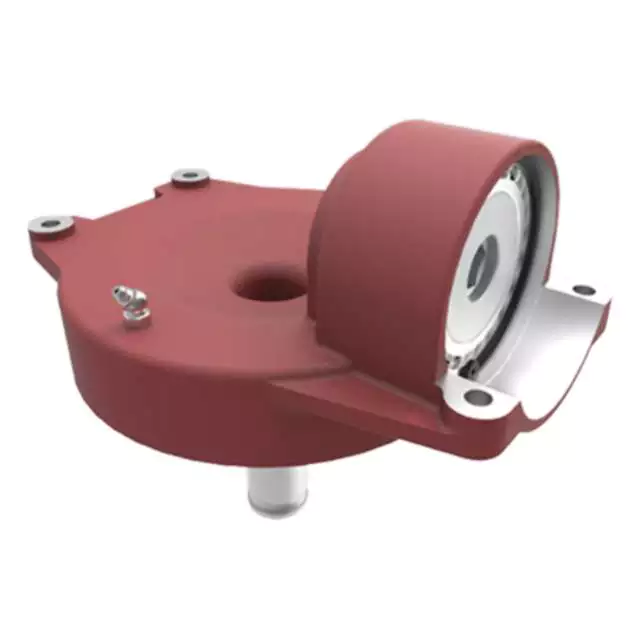
Impact of Gear Ratios on Machinery Performance in Agricultural Gearboxes
The gear ratio in agricultural gearboxes plays a crucial role in determining the performance of machinery. It directly affects the relationship between the input and output speeds and torques. Here’s how gear ratios influence machinery performance:
- Speed and Torque Conversion: Gear ratios allow for the conversion of speed and torque between the input and output shafts. Higher gear ratios can reduce output speed while increasing output torque, making it suitable for tasks requiring high power.
- Power and Efficiency: Gear ratios affect the efficiency of power transmission. While reducing the speed through higher gear ratios can increase torque, it’s essential to strike a balance to maintain efficiency. Lower efficiency can lead to energy loss and increased heat generation.
- Task Adaptability: Different agricultural tasks require varying levels of torque and speed. Gear ratios enable machinery to be adaptable to different tasks by providing the necessary torque for heavy-duty activities like plowing or tilling and higher speeds for tasks like transport.
- Optimal Performance: Selecting the appropriate gear ratio ensures that machinery operates within its optimal performance range. It prevents overloading the engine or the gearbox, contributing to smoother operation and reduced wear and tear.
- Productivity and Fuel Efficiency: Proper gear ratios can enhance the overall productivity of agricultural machinery. By optimizing torque and speed, tasks can be completed efficiently, reducing the time and fuel consumption required for operations.
- Consideration of Terrain: Different terrains and field conditions require adjustments in gear ratios. Steep slopes or heavy soil may necessitate lower gear ratios for increased torque, while flat terrain could benefit from higher ratios for faster operation.
- Impact on Components: Gear ratios can influence the load distribution on gearbox components. Higher gear ratios might subject components to increased forces and stresses, potentially affecting their lifespan.
- Operator Comfort: Proper gear ratios contribute to operator comfort by providing the necessary power for smooth operation without straining the machinery. This can lead to reduced operator fatigue and improved safety.
- Customization: Some modern agricultural equipment offers adjustable or variable gear ratios, allowing operators to fine-tune machinery performance based on specific tasks and conditions.
Choosing the right gear ratio for agricultural gearboxes involves considering factors such as the intended task, soil conditions, and equipment specifications. It’s essential to strike a balance between torque and speed to achieve optimal machinery performance and maximize productivity.
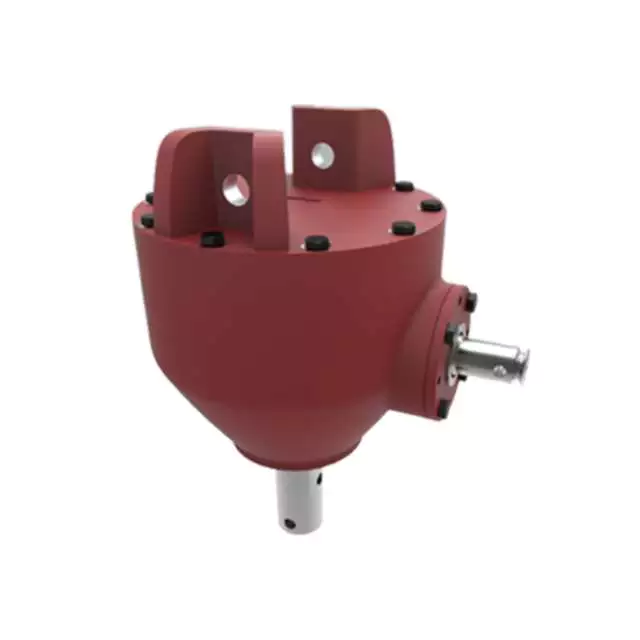
Potential Challenges in Maintenance and Repairs of Agricultural Gearboxes
Maintenance and repairs of gearboxes in agriculture can pose several challenges:
- Harsh Environments: Agricultural machinery operates in challenging environments with exposure to dirt, debris, moisture, and varying temperatures. These conditions can accelerate wear and corrosion, necessitating frequent maintenance.
- Heavy Workloads: Gearboxes in farming equipment often handle heavy workloads, leading to increased stress on components. This can result in faster wear and tear, requiring more frequent inspections and part replacements.
- Accessibility: Some gearboxes are located in hard-to-reach areas of machinery. This makes regular maintenance and repairs more challenging, as technicians may need specialized tools and equipment to access and service the gearboxes.
- Specialized Knowledge: Proper maintenance of agricultural gearboxes requires specialized knowledge and skills. Inadequate understanding of gearbox mechanics and maintenance practices can lead to improper repairs, reducing the gearbox’s lifespan and efficiency.
- Costs: Repairing or replacing gearbox components can be costly, especially for heavy-duty agricultural machinery. Farmers need to consider both the direct costs of parts and labor, as well as potential downtime during repair processes.
- Downtime: The downtime required for gearbox maintenance or repairs can impact farming operations, especially during critical planting or harvesting seasons. Efficient scheduling and backup equipment can help mitigate this challenge.
- Availability of Parts: Obtaining replacement parts for older or less common gearbox models can be challenging. Farmers may need to source parts from specialized suppliers, leading to potential delays in repairs.
Addressing these challenges requires proactive maintenance planning, regular inspections, proper training of maintenance personnel, and sourcing spare parts in advance.
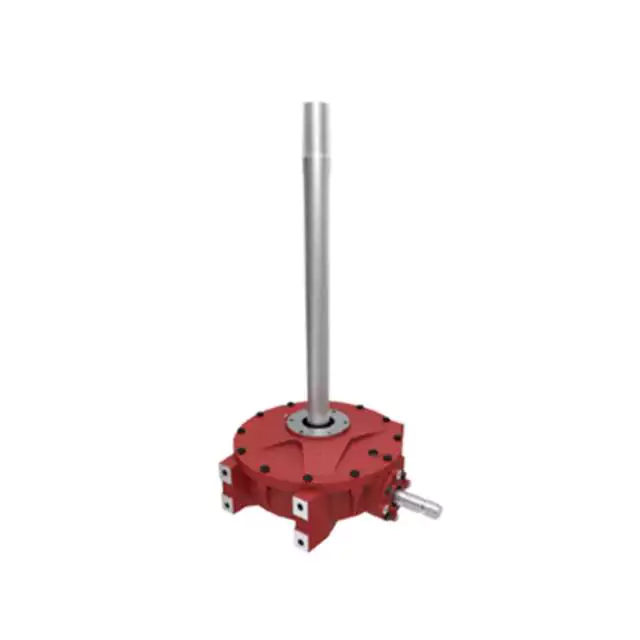
Types of Agricultural Gearboxes for Specific Tasks
Various types of agricultural gearboxes are designed to cater to specific tasks and applications in farming. These gearboxes are engineered to meet the unique requirements of different agricultural machinery and operations. Some common types of agricultural gearboxes include:
- Rotary Mower Gearboxes: These gearboxes are used in rotary mowers and cutters. They transmit power from the tractor’s power take-off (PTO) to the blades, enabling efficient cutting of grass, crops, and vegetation.
- Manure Spreader Gearboxes: Manure spreaders utilize specialized gearboxes to distribute manure evenly across fields. These gearboxes ensure consistent spreading of fertilizer while accommodating variable loads.
- Harvesting Gearboxes: Gearboxes used in harvesting equipment, such as combines and harvesters, enable efficient gathering, threshing, and separating of crops from their stalks. These gearboxes handle high loads and varying operating conditions.
- Seed Drill Gearboxes: Seed drills require gearboxes to distribute seeds accurately and at consistent intervals. These gearboxes ensure precise seed placement for optimal germination and crop growth.
- Hay Rake Gearboxes: Hay rakes utilize gearboxes to gather and arrange hay into windrows for baling. These gearboxes help optimize the hay collection process.
- Irrigation System Gearboxes: Agricultural irrigation systems may use gearboxes to control the movement and positioning of irrigation equipment, ensuring efficient water distribution across fields.
- Tillage Equipment Gearboxes: Gearboxes used in tillage equipment, such as plows and cultivators, help break up soil, prepare seedbeds, and promote seedling emergence.
- Tractor Gearboxes: Tractors may incorporate various gearboxes for tasks such as shifting gears, driving the power take-off, and operating attachments.
- Grain Auger Gearboxes: Grain augers use gearboxes to facilitate the movement of harvested grain from one location to another, such as from a combine to a storage bin.
Each type of agricultural gearbox is designed with specific features, load capacities, and durability to suit the demands of its intended task. Manufacturers engineer these gearboxes to withstand the challenging conditions of agricultural operations while ensuring efficient and reliable performance.


editor by lmc 2024-11-29